
In the Algarve, your holidays take on a whole new dimension. Far beyond its tourist character, the Algarve is home to some of the most historic cities in Portugal.
Throughout the region, it is still possible to unveil the charms and secrets of Portugal's history. A history that time cannot erase. From the Roman presence to the long legacy left by the Muslim people, from the Christian conquest to the great adventure of the Portuguese Discoveries, there are many reasons why this remarkable historical past should be rediscovered.
The "Capital of the Algarve". Faro, located in the coastal region of southern Portugal, is one of the favourite tourist destinations for summer holidays in Europe. Meet some must-see spots in the city:
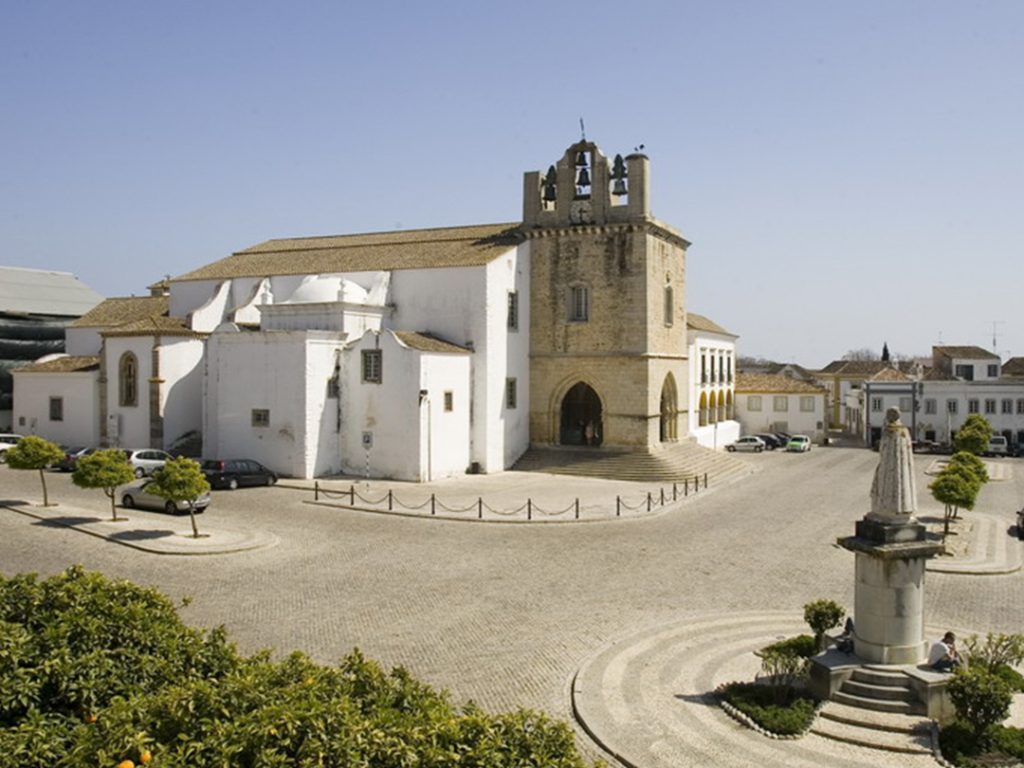
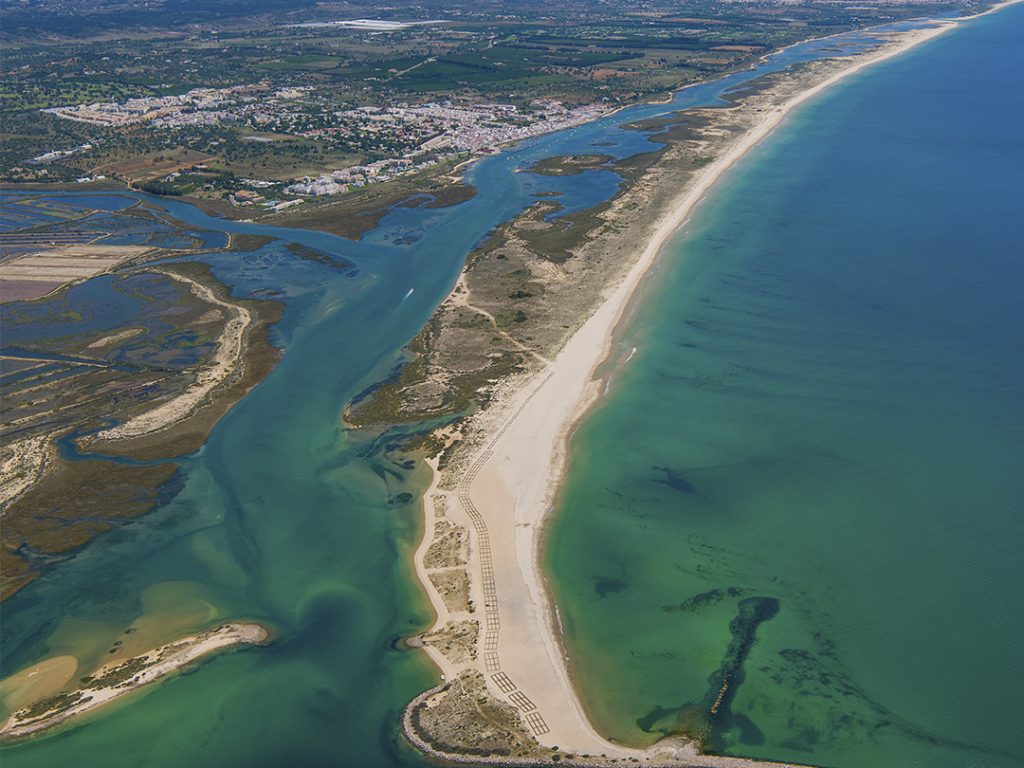
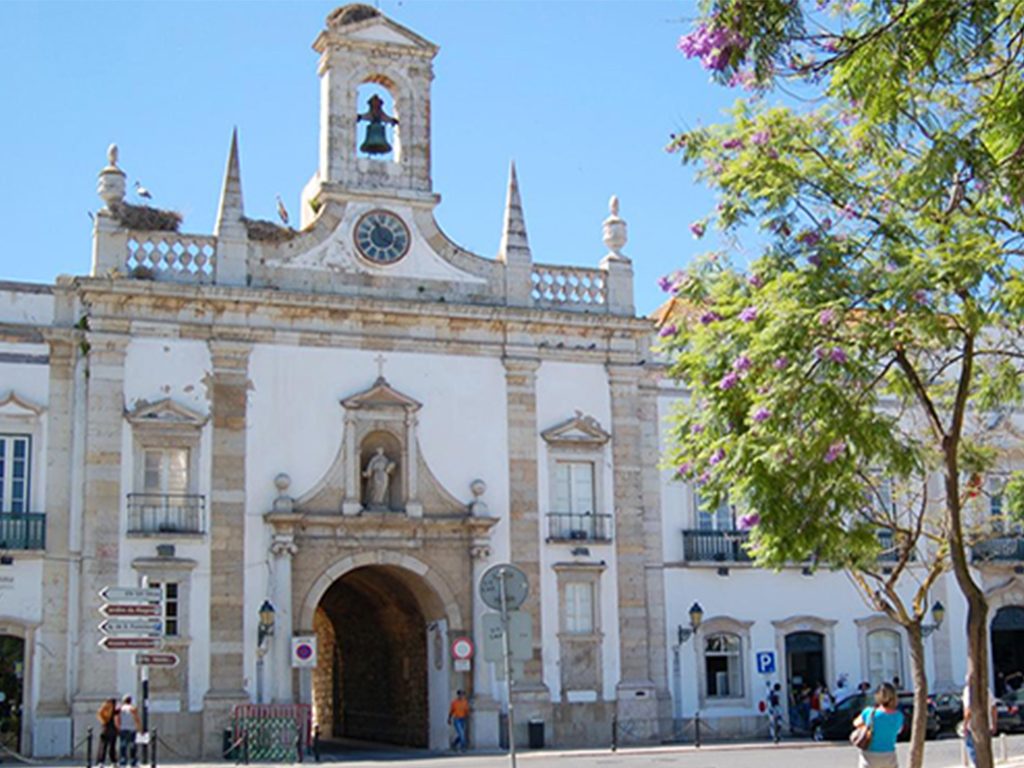
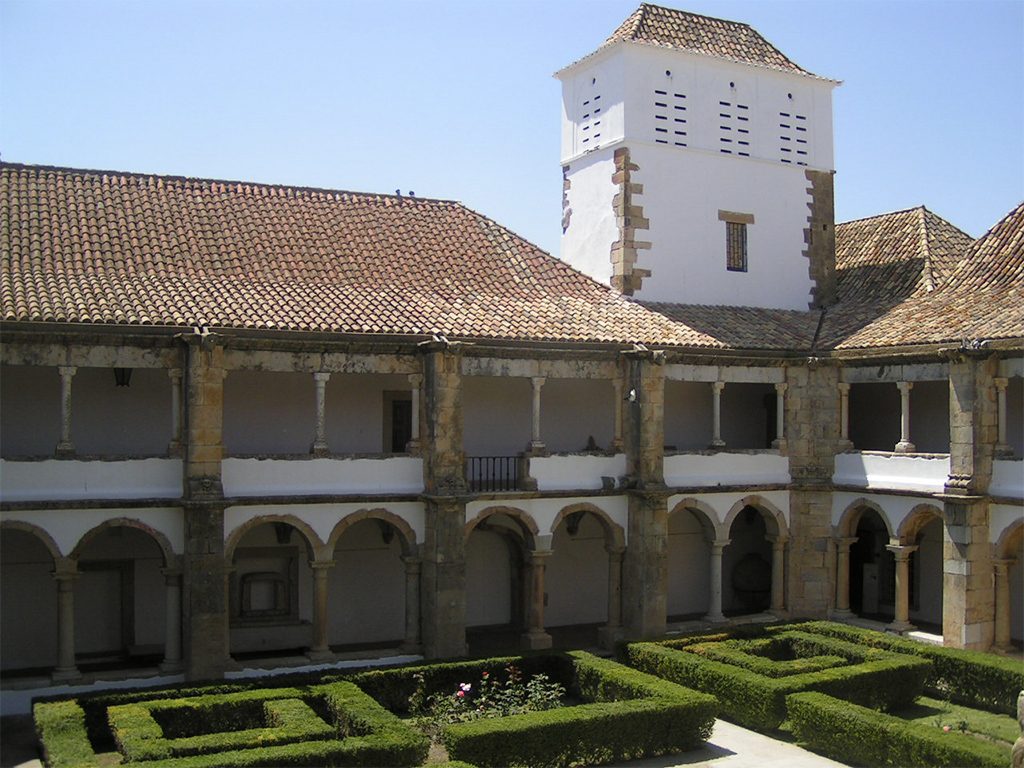
Faro retains a strong trace of Islamic presence in the region and the castle walls are still standing. Contrary to what happens with other castles, the walls of the old city of Faro, now called Vila-Adentro, are located in a lower part of the city, near the docks. This location, with a direct view to Ria Formosa is because in the past this was the main economic source of the city.
Ideal for spending some time admiring the incredible yachts on permanent display in the marina. Just around the corner is Porta Nova pier, from where the boats depart on excursions through Ria Formosa.
The Church of Nossa Senhora do Carmo, inaugurated in 1719, is considered one of the most important religious monuments of the region. The chapel of Bones was built in 1816 and houses the bones of a nearby cemetery.
Formerly known as the Archaeological Museum, this building is part of the magnificent Convent of Our Lady of the Assumption. Located in a former Jewish quarter of the city, this building features Renaissance architecture.
Located in a historic part of the city, Faro Cathedral, built on the ruins of the Santa Maria Church, this building still has its tower and ogival entrance impeccably preserved.
A large system of lakes which extends over 60km. It is the most important wetland in southern Portugal, hosting a wide variety of habitats. Classified as a wetland of national interest, Ria Formosa is a reference point in terms of its birdlife, vegetation, dunes and marshes. It is considered a nursery for marine species and a production centre for bivalve molluscs.
Lagos preserves in its streets and squares the traditional charm left by the Romans and Muslims. On the site of the old medieval town, the houses show much of their character in the doors and windows, the wrought iron of the balconies and the outdoor spaces. It is in the part of the city built after the maritime expansion that the taste for Art Nouveau can clearly be seen, namely in the abundant use of tiles.
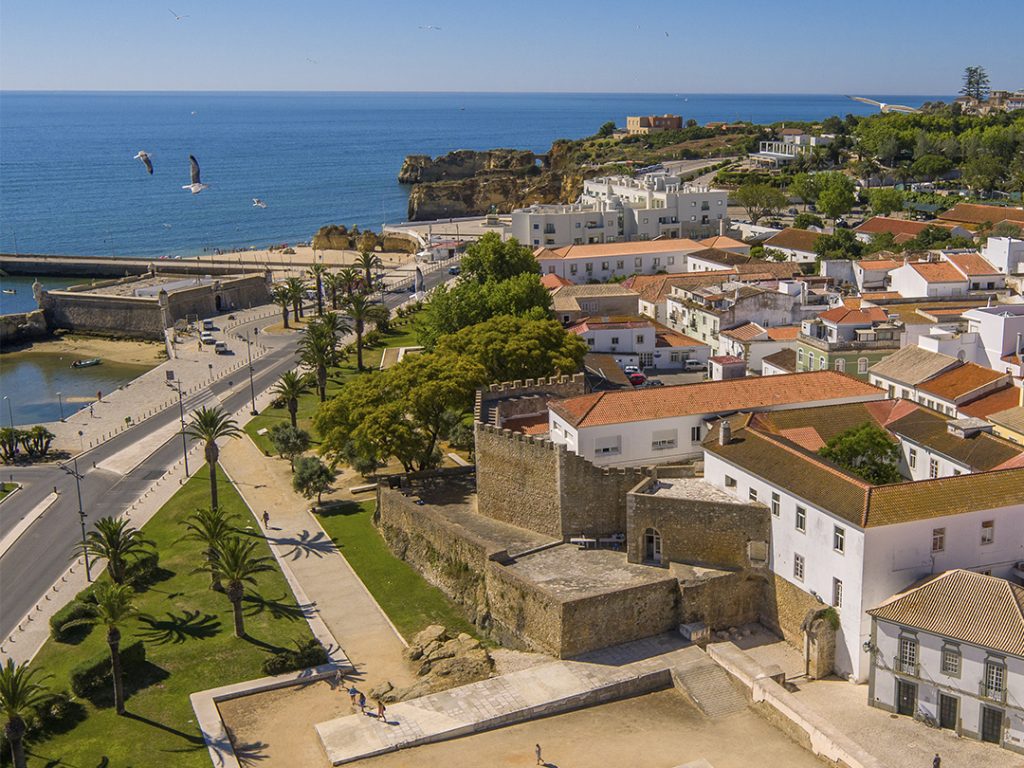
In the historic centre of Lagos lies a proudly Portuguese town. With cobbled streets, typical Algarvian restaurants and a relaxed and welcoming atmosphere, Lagos perfectly combines traditional Algarve culture with wonderful beaches and modern tourist facilities.
Located in the Bay of Lagos, the Marina has a privileged location next to the historical centre of the city. Since its opening in 1994, the different crews of various nationalities that visit this Marina end up being the best ambassadors that the city of Lagos could ask for.
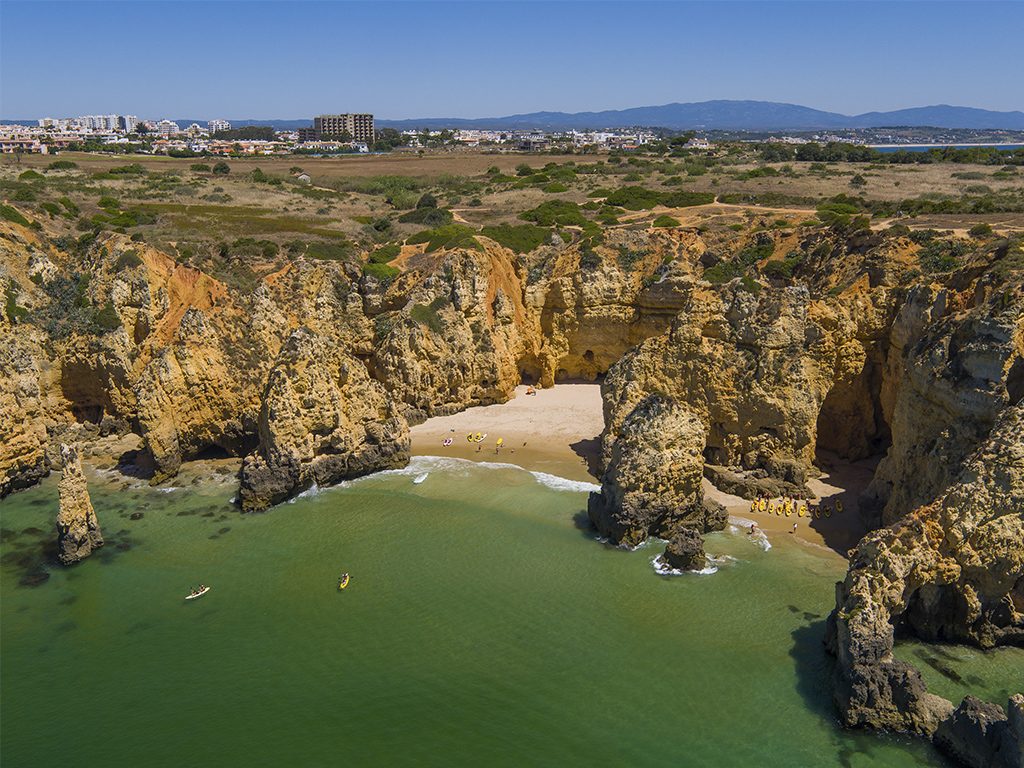
Of all the incredible beaches in the region, Praia Dona Ana, Praia do Camilo and Praia dos Estudantes are worthy of mention.
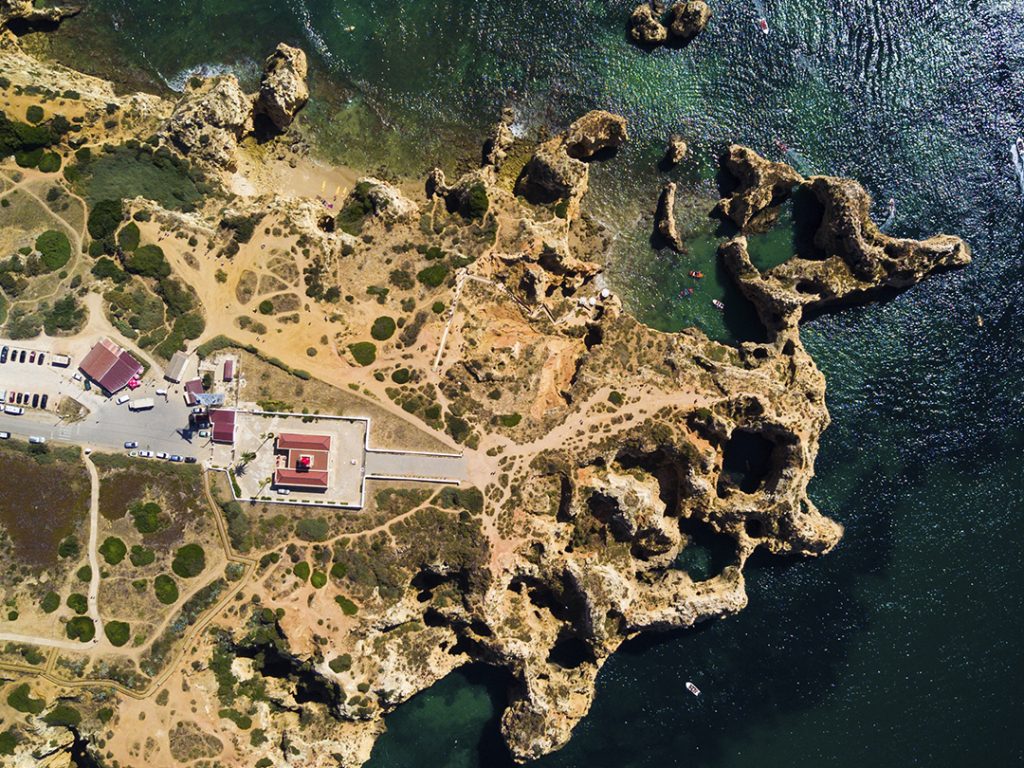
An incredible natural monument located in a calm area swept by the wind and sea erosion. Its impressive cliffs and rock formations, with strange shapes shaped by sea erosion, topped by a lighthouse, are a mandatory stop for everyone visiting the region.
This building dates back to the 14th century but currently retains very little of its original construction. In this building, it is possible to observe the Manueline window from which D. Sebastião attended the mass that preceded his departure to Alcácer Quibir.
Once considered the official capital of the Algarve, Silves is one of the oldest areas in Portugal. Silves retains much of its charm in the streets of the old fortress, which retain a purely medieval layout. The buildings stretching from the ramparts down to the river are good examples of the bourgeois architecture associated with the prosperity provided by the cork industry.
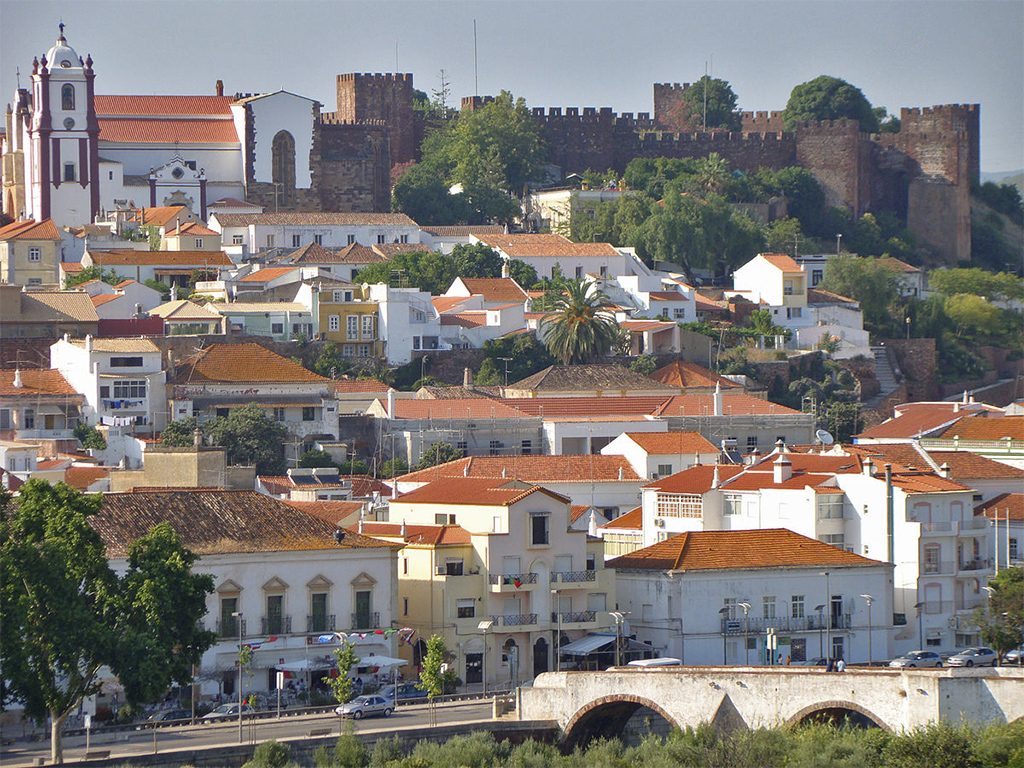
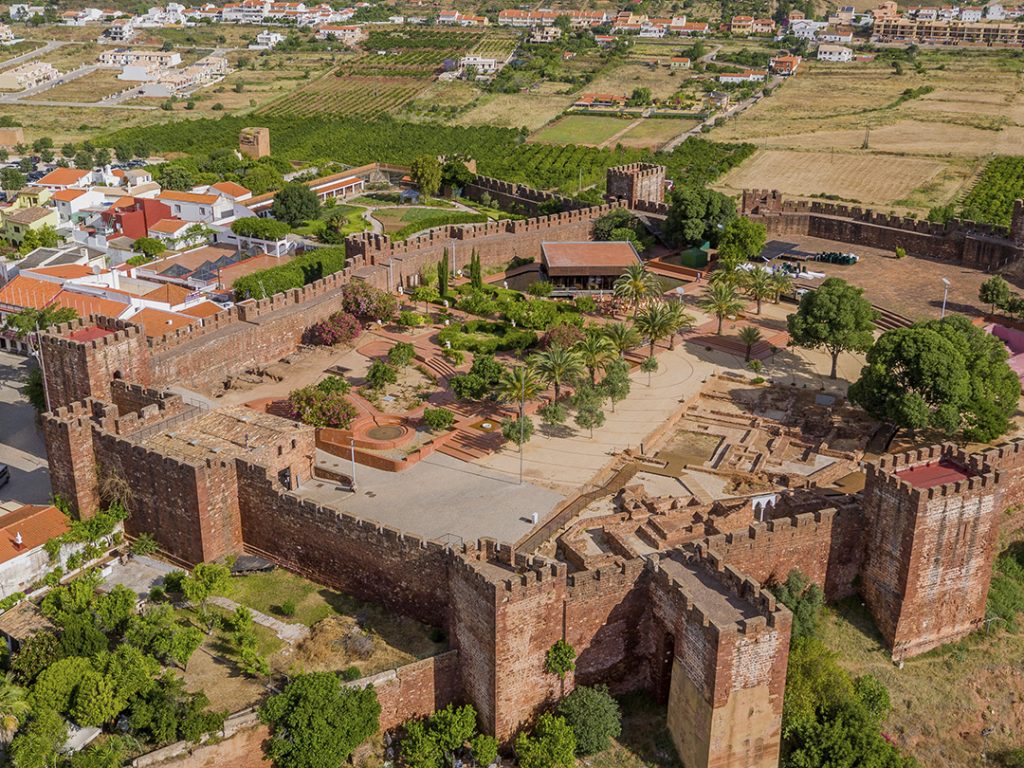
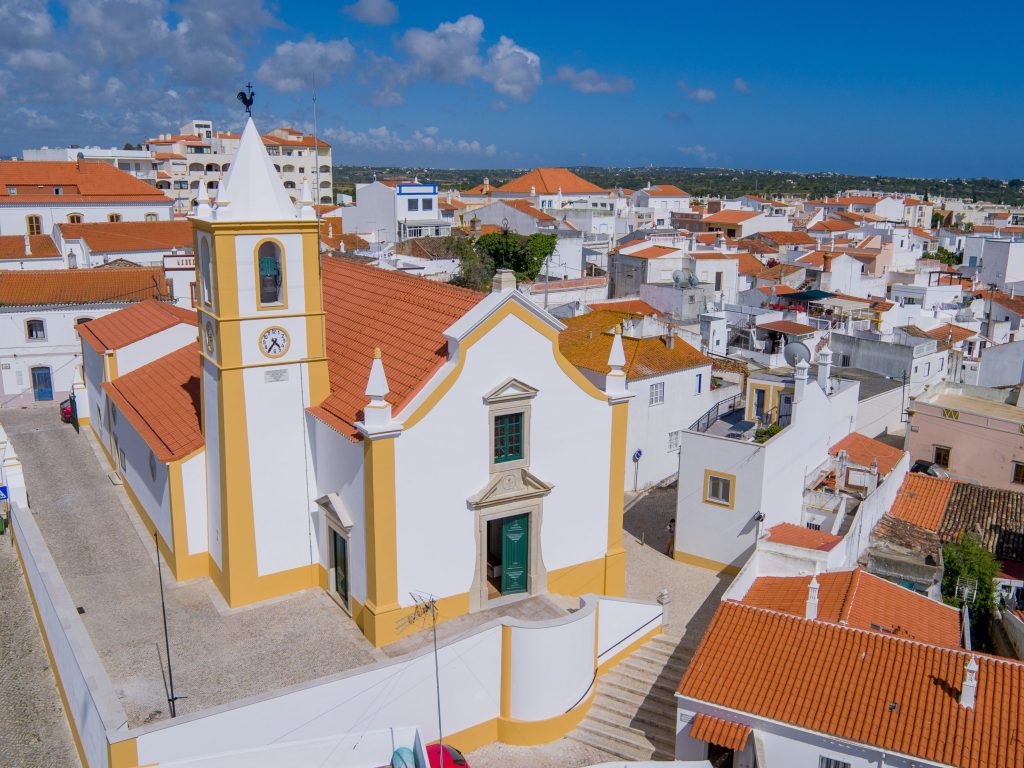
Over 1,000 years old and situated on the highest point of the hill on which Silves stands, this fortification is one of the most remarkable works of military architecture left over from the Arab heritage.
Often called the Ponte Velha de Silves, this bridge is estimated to date back to the 15th century. Some authors justify this date by the presence of traces of a Roman road nearby.
Considered the "most remarkable temple of gothic architecture in the Algarve". This National Monument underwent a restoration programme in 2010.
Located in a building that includes a section of wall and a cistern of Arab origin, the Museum houses a collection of archaeological finds originating from the municipality, dating from the Palaeolithic to the medieval period.
Situated on the southernmost coast of Portugal, the picturesque town of Tavira is considered one of the most beautiful places in Portugal. The time of the five hundred marks strongly marked this region, being that, today it is possible to observe in many streets the vestiges of that glorious past. It is impossible to talk about Tavira without mentioning the river and the atmosphere that the city presents. The bridge, of ancient origin, is one of the places not to be missed. From the doors with railing to the fine interlacing of wood (great Arabic heritages present in Algarve culture), Tavira is a secret to discover.
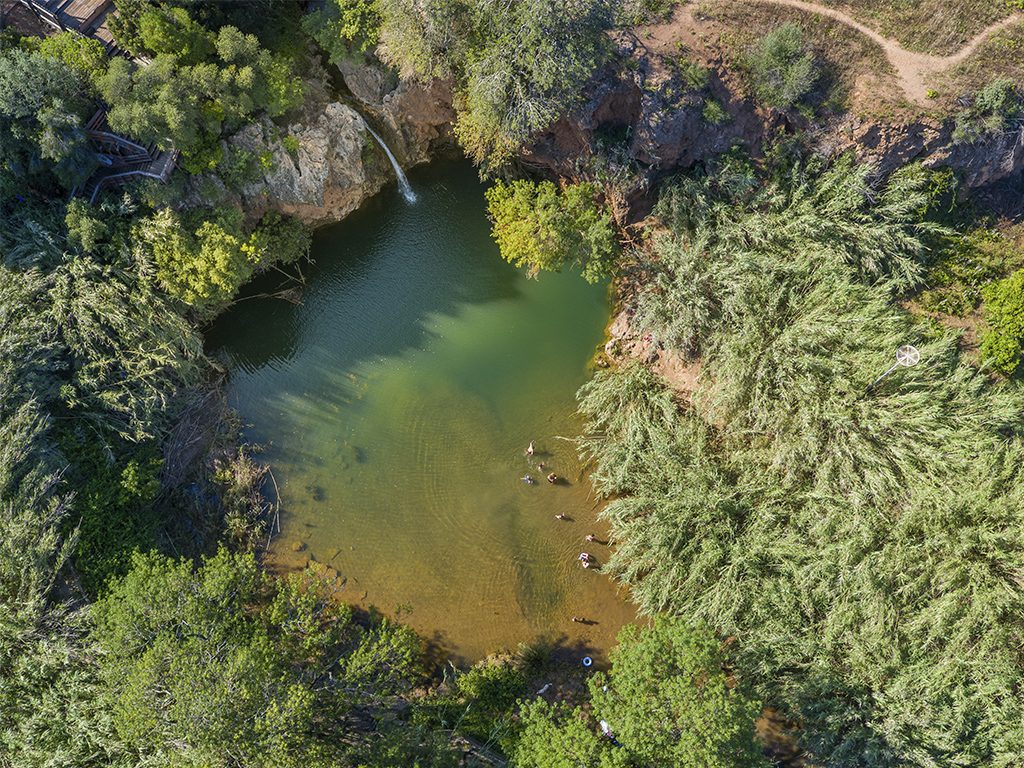
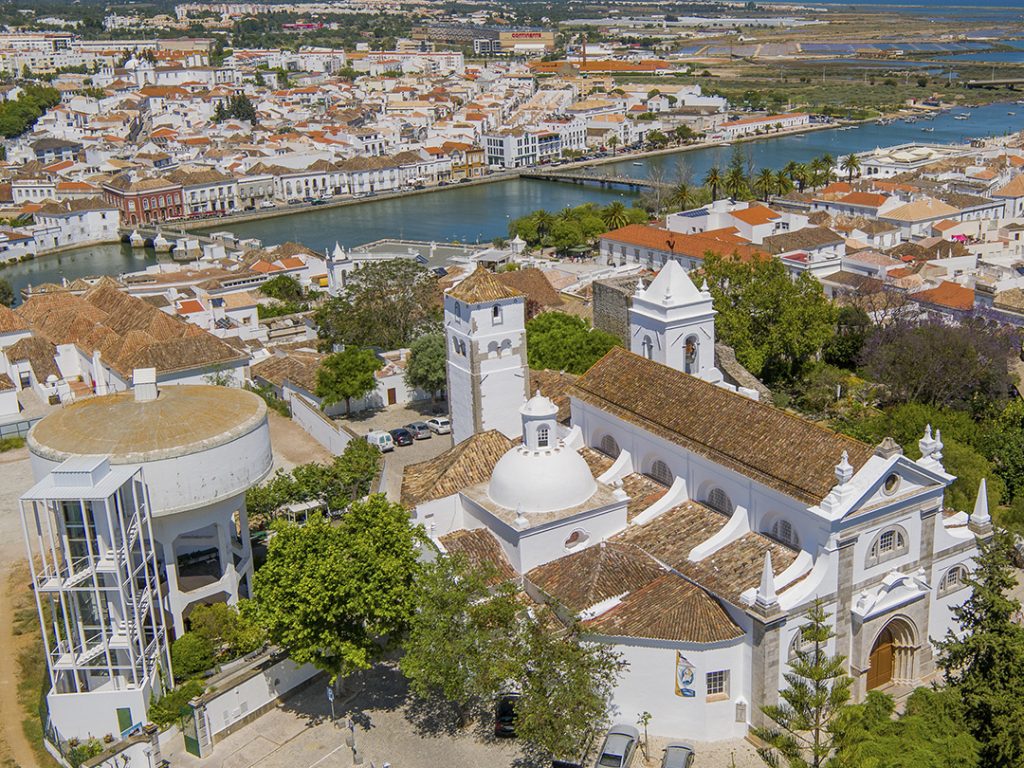
This riverside square was, for centuries, the slave market, where slaves were sold along with fish and fruit. Currently, the whole area has been refurbished and is covered with café terraces.
Among the existing beaches in the region, Terra Estreita beach and Praia do Barril beach are worth mentioning.
Also known as "Ponte Velha", it is one of the symbols of Tavira. Although there are several theories about its origin, the most likely one is that this bridge existed before the 3rd century, but it has been rebuilt. Nowadays it is an icon that you must visit.
One of the most important historical buildings in the city, not only because of its location but also because of the enormous visual impact it has on the landscape, standing out well above the city wall. This religious building came to occupy a peripheral area of the original enclosure, where until the 15th century the Jewish quarter was located.